Article

Website Copywriting in Uganda: Clear Content That Helps

Learn to write website and ad copy that explains your offer, builds trust, and helps visitors take the next step.

Published Updated 8 min read
Content Copywriting in Uganda | Trophy Developers Website Solutions
Article section image

CLEAR

Clear Copy Helps Visitors Make a Decision

01

People visit a website with a question, a need, or a problem. Good copy helps them find an answer without digging through long claims and confusing language. It explains what a business offers, who it helps, why it matters, and what to do next.

For businesses in Uganda, this might mean stating the services available, where the team works, what a project includes, and how a customer can request a quotation. Readers should not have to guess.

The goal is not to force someone to spend more time on the website. The goal is to make that time useful. Clear content can help visitors read further, compare options, or contact the business when they are ready.


At a glance

  • People visit a website with a question, a need, or a problem.
  • Landing pages should make the advertised offer easy to understand.
  • Real case studies, approved client feedback, screenshots, and clear examples can help.
  • Example 1 — Business service
  • Someone else might spend several minutes searching for information that should have been easy to find.
  • We can review your current pages, identify unclear claims, and help you present services, benefits, and next steps more clearly.

START

Start With the Answer People Came For

02

Put the main point near the start of each page. If someone searches for website design costs, explain what affects the cost before describing your company history. If a visitor wants a service, show what the service covers before listing awards or broad promises.

A useful opening answers four questions: What is this? Who is it for? What problem does it solve? What can I do next?

Keep the first paragraph short. Give readers enough information to decide whether to continue, then use the rest of the page to explain the details.

MATCH

Match the Copy to the Visitor’s Goal

03

A reader looking for advice needs a different page from someone who is ready to buy. Educational articles should explain ideas and trade-offs. Service pages should describe deliverables, process, fit, and next steps. Landing pages should make the advertised offer easy to understand.

Before writing, choose the main question the page must answer. List the facts readers need to make a decision. Remove sentences that do not help them learn, compare, or act.

This approach keeps website content useful for readers and gives search systems clearer information about the page topic.

EXPLAIN

Explain Benefits and Keep the Facts

04

Features tell people what a service includes. Benefits explain why those features matter. Strong copy uses both.

Instead of writing only “responsive website design,” explain that the website adapts to phones, tablets, and computers. Then describe the pages, integrations, or support a customer can expect.

Avoid vague phrases such as “world-class results” unless you can support them. A specific description of the work often builds more trust than an impressive-sounding claim.

MAKE

Make Every Section Easy to Scan

05

Readers do not all move through a page in the same way. Some read each line. Others scan headings to find the part that matters to them. Write for both.

Use a clear heading for each main idea. Keep paragraphs focused on one point. Use short lists for steps, requirements, or options. Put prices, limitations, and important conditions near the claims they explain.

Do not repeat the same keyword in every heading. Use natural words that tell readers what each section contains. Scannable copy helps people find the information they need without losing the full explanation.

BACK

Back Up Important Claims With Evidence

06

If a business says it improved sales, increased enquiries, or saved clients time, readers should be able to see evidence or understand how the result was measured. Real case studies, approved client feedback, screenshots, and clear examples can help.

Show the starting problem, the work completed, and the outcome when that information is available. Avoid inventing numbers, promising a result to every customer, or presenting an estimate as a proven fact.

The same rule applies to technical claims. Name the actual feature or service rather than using labels that sound advanced but explain nothing.

CONNECT

Connect Ad Copy With the Landing Page

07

An advert makes a promise. The page behind that advert must explain and support it. If an ad promotes a website package, the landing page should quickly show what is included, who the package suits, and how to ask for details.

Avoid a strong headline that leads to an unrelated or unclear page. Visitors should recognise the same offer after they click. Keep names, benefits, and conditions consistent across adverts, landing pages, and contact forms.

A click is only the start of a useful customer journey. The page must help the visitor decide what to do next.

USE

Use Design and Media to Support the Words

08

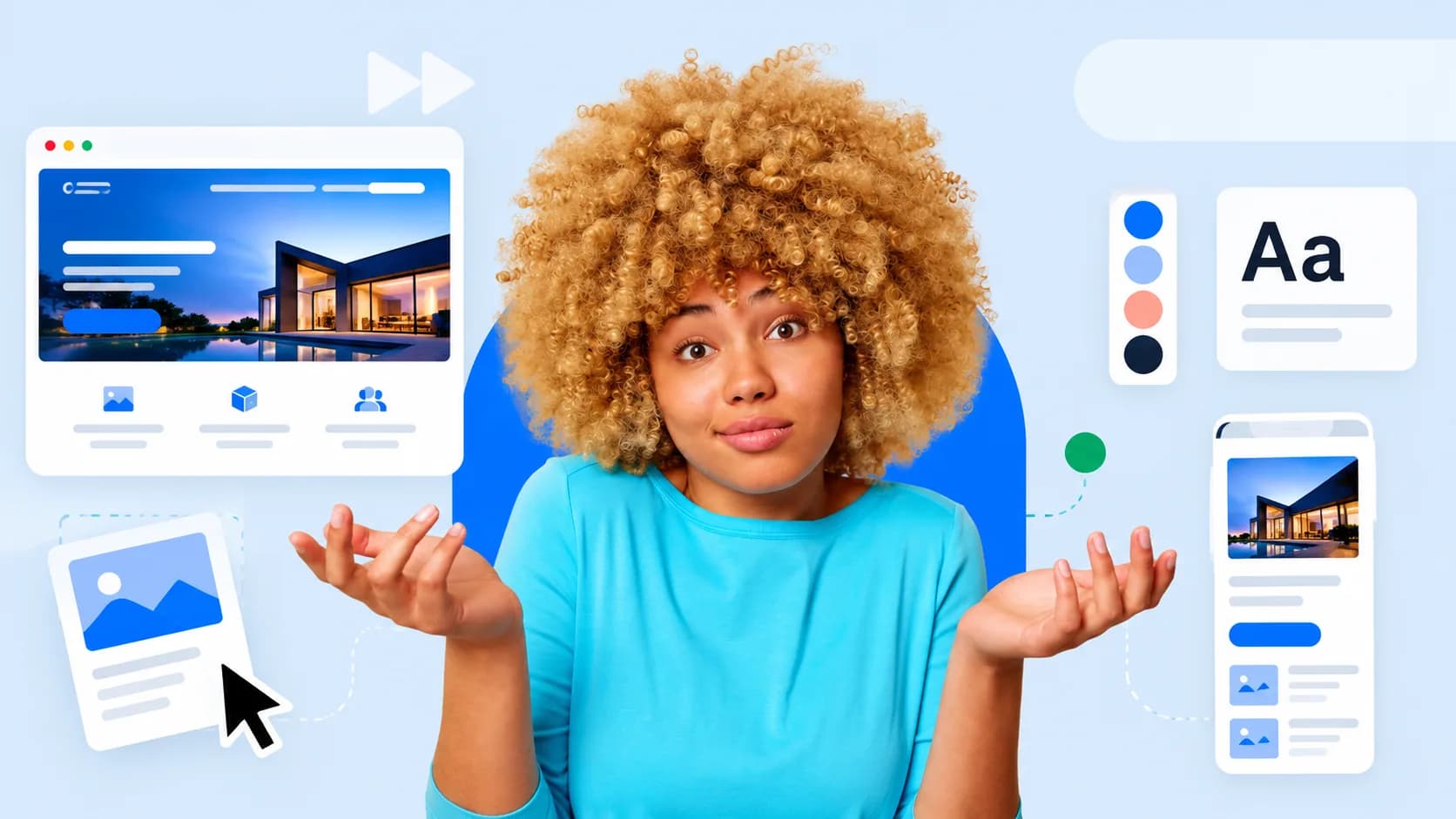
Good website copy and good design work together. Clear spacing, readable text, useful headings, and strong contrast make a message easier to follow. A helpful image can explain a product or show completed work faster than an extra paragraph.

Add video only when it demonstrates something better than text or a still image. Give it a clear title and context. Captions or a transcript can help people who cannot listen to the audio. Use documents when readers need detailed specifications or downloadable guidance.

Do not add moving elements, pop-ups, or large media files merely to make a page look busy. They can distract readers from the message.

COMPARE

Compare Weak Copy With Clearer Copy

09

Example 1 — Business service

Before: “We are the leading provider of innovative, world-class digital solutions.”

After: “We design business websites that explain your services clearly and make it easy for customers to enquire.”

The second version tells readers what the business does and what the service helps them achieve.

Example 2 — Requesting a quotation

Before: “Contact us for unbeatable prices.”

After: “Tell us which pages and features you need. We will review the scope and prepare a quotation.”

The improved copy gives visitors a specific next step without making an unsupported price promise. Use this test on your own headings: replace broad praise with a clear service, benefit, or action.

GIVE

Give Readers One Clear Next Step

10

Every important page should offer a sensible next action. An educational article may invite people to read a related guide. A service page may ask them to request a proposal. A contact page should make the enquiry method easy to find.

Use a button label that states the action, such as “Request a website proposal” or “Explore our services.” Avoid making every link compete for attention.

A call to action works best when the reader already understands the offer. Explain the value first, then invite the next step.

MEASURE

Measure Outcomes, Not Time Alone

11

Average time on a page does not tell the whole story. A visitor might get an answer quickly and leave satisfied. Someone else might spend several minutes searching for information that should have been easy to find.

Review meaningful actions instead: contact-form submissions, quotation requests, relevant button clicks, and qualified enquiries. Use website analytics and Search Console to learn which pages attract readers and what they do next. Heatmaps or user testing can reveal confusing sections when used with appropriate privacy controls.

Change one important message at a time where possible. Compare results over a useful period and avoid claiming a copy change caused an improvement without enough evidence.

FIVE

Five Checks Before Publishing Website Copy

12
  1. Can a first-time visitor explain what this page offers after reading the opening?
  2. Does each heading describe the information beneath it?
  3. Do important claims have facts, examples, or evidence behind them?
  4. Can people find the next step without searching through the page?
  5. Does the content remain clear on a phone, with images and links that actually help?

Ask someone who does not work in your business to read the page. If they misunderstand the offer or cannot find an answer, revise the words before adding more design effects.

QUESTIONS

Questions About Clear Website Copy

13

What should a business homepage say first?

Start with what the business offers, who it serves, and the main benefit. Follow with a simple next step. Add proof and detail below the opening rather than trying to fit every service into one headline.

Does longer copy always perform better?

No. A complex service may need a detailed explanation, while a straightforward offer may need only a few clear paragraphs. Use enough words to answer the reader’s questions, not a target word count.

Can good copy guarantee more enquiries?

No. Enquiries also depend on demand, pricing, trust, design, traffic quality, and the offer itself. Clear copy helps people understand their options, but the result should be measured rather than promised.

GET

Get Clearer Copy for Your Business Website

14

Trophy Developers helps businesses organise their website message around what customers need to know. We can review your current pages, identify unclear claims, and help you present services, benefits, and next steps more clearly.

Explore our services:

Ready to discuss your website? Share your business name and request a proposal:

Posted by Trophy Developers
SEOGEOWeb Design

Next step

Find the digital gaps costing your business customers, time, or revenue.

Start with a Digital Growth Audit. We review visibility, conversion, operations, payments, security, and measurement before recommending the right system.